Docosahexaenoic Acid (DHA) - CAS 6217-54-5
Product Name: Docosahexaenoic Acid Powder (DHA Powder)
INCI Name: DOCOSAHEXAENOIC ACID
CAS Number: 6217-54-5 (all-cis isomer); 25167-62-8 (mixed isomers)
EINECS Number: 246-689-3
Molecular Formula: C₂₂H₃₂O₂
Molecular Weight: 328.49 g/mol
Product Grade: Cosmetic grade / Food grade
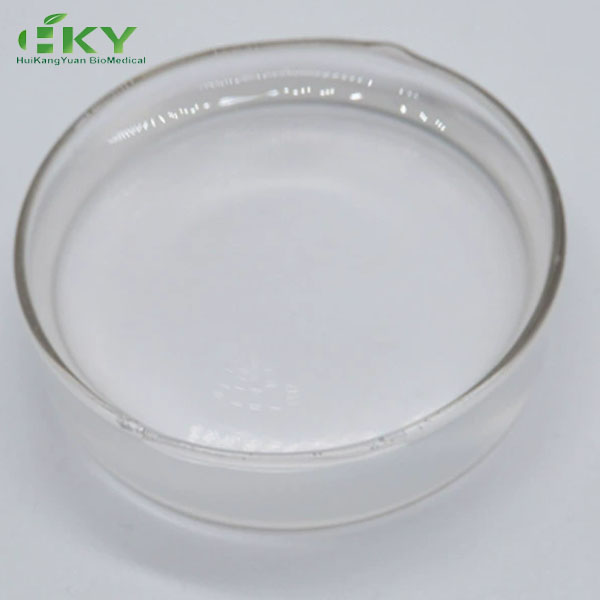
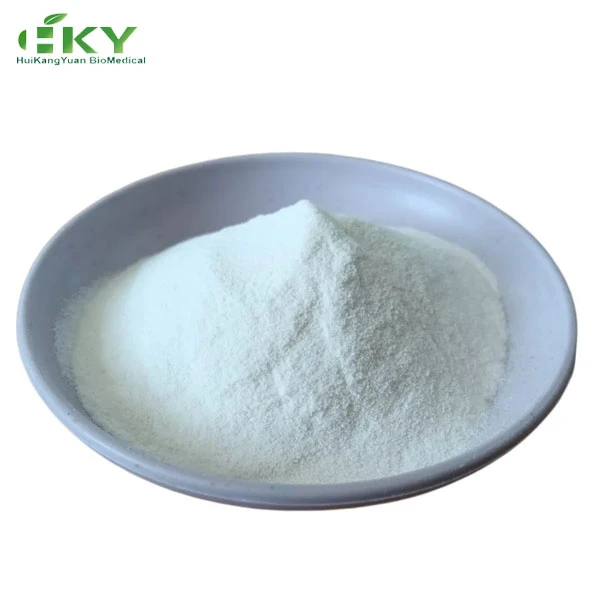
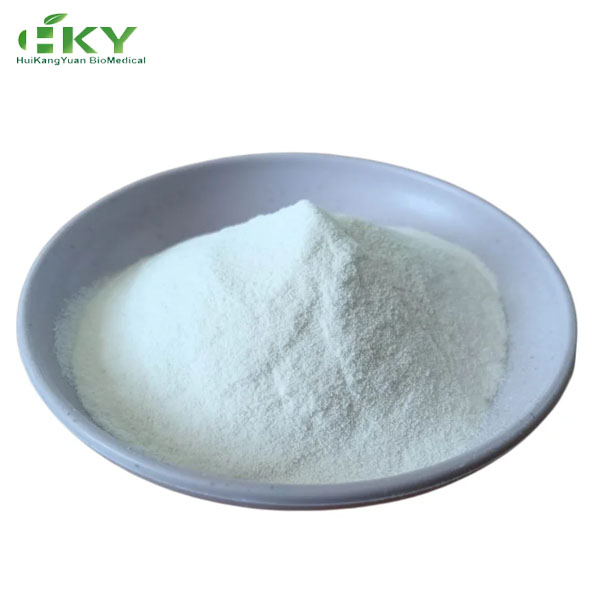
Appearance: White to pale yellow or milky white fine powder
Odor: Slight characteristic odor; high-quality deodorized products have no fishy odor;
Packaging: 1kg aluminum foil bag, 5kg aluminum foil bag, 25kg fiber drum
Shelf Life: 24 months in original sealed packaging under proper storage conditions (cool, dry, dark, below 25°C)
Storage: Store in cool, dry, well-ventilated area, keep tightly sealed, protect from light, moisture, heat, and oxygen; recommended storage temperature below 25°C; avoid prolonged exposure to air after opening; for long-term storage, refrigeration at 2–8°C is preferred
Docosahexaenoic Acid, DHA Powder, DHA, Omega-3 fatty acid, microencapsulated DHA, algal DHA powder, skin barrier repair, anti-inflammatory skincare, emollient, skin conditioning agent, moisturizing ingredient, sensitive skin care, wound healing, antioxida
Docosahexaenoic Acid (DHA) - CAS 6217-54-5
Docosahexaenoic Acid Powder (DHA Powder), with INCI name Docosahexaenoic Acid and CAS number 6217-54-5, is a premium Omega-3 polyunsaturated fatty acid ingredient that has gained significant attention in skincare for its multifaceted benefits. DHA is a long-chain omega-3 fatty acid with six cis double bonds, naturally found in fish oil and microalgae.
In cosmetic applications, DHA is typically supplied as a microencapsulated powder to overcome its oil-soluble nature, improve water dispersibility, enhance oxidative stability, and mask any fishy odor. DHA works through multiple pathways to benefit skin health: it integrates into cell membranes to improve barrier function, serves as a precursor to specialized pro-resolving lipid mediators that actively resolve inflammation, activates PPAR receptors to boost antioxidant defenses, and promotes healthy keratinocyte differentiation.
Key Benefits
• Soothes sensitive, irritated, and reactive skin
• Excellent emollient and moisturizing properties
• Antioxidant protection against oxidative stress
• Accelerates cell turnover, refines skin texture
• Anti-photoaging: protects and repairs UV damage
• Improves skin microcirculation and nutrient delivery
• Nourishes hair and supports healthy hair growth
Applications
• Barrier repair creams and lotions: Recommended usage 0.5%–3.0%
• Soothing and calming serums: Recommended usage 0.3%–2.0%
• Moisturizing creams and lotions: Recommended usage 0.5%–2.0%
• Sensitive skin care products: Recommended usage 0.5%–3.0%
• After-sun repair products: Recommended usage 0.5%–2.0%
• Anti-aging serums and creams: Recommended usage 0.5%–2.0%
• Acne and blemish treatments: Recommended usage 0.3%–1.5%
• Body lotions and moisturizers: Recommended usage 0.5%–3.0%
• Shampoos and conditioners: Recommended usage 0.2%–1.0%
• Baby and infant skincare: Recommended usage 0.2%–1.0%
Certificate Of Analysis (COA)
Test Item | Standard Requirement | Test Result | Test Method |
Appearance | White to pale yellow fine powder | Complies | Visual inspection |
Odor | Slight characteristic odor, no off-odor | Complies | Organoleptic |
DHA Content | ≥10.0% (or as specified: 20%, 40%, 50%) | 10.8% | GC |
Moisture Content | ≤5.0% | 3.2% | Loss on drying |
Particle Size | 90% pass through 80 mesh | Complies | Sieve analysis |
Solubility | Freely dispersible in water | Complies | Visual inspection |
Encapsulation Efficiency | ≥90% | 94.5% | HPLC / Solvent extraction |
Acid Value (DHA oil) | ≤1.0 mg KOH/g | 0.4 mg KOH/g | Titration |
Peroxide Value | ≤5.0 meq/kg | 1.8 meq/kg | Titration |
Heavy Metals (as Pb) | ≤10 ppm | <5 ppm | ICP-MS |
Arsenic (As) | ≤2 ppm | <0.5 ppm | ICP-MS |
Lead (Pb) | ≤5 ppm | <1 ppm | ICP-MS |
Cadmium (Cd) | ≤3 ppm | <0.5 ppm | ICP-MS |
Mercury (Hg) | ≤1 ppm | <0.1 ppm | ICP-MS |
Total Aerobic Count | ≤1000 CFU/g | <100 CFU/g | GB 4789.2 |
Mold & Yeast | ≤100 CFU/g | <10 CFU/g | GB 4789.15 |
E. coli | Absent | Absent | GB 4789.3 |
Salmonella | Absent | Absent | GB 4789.4 |
Staphylococcus aureus | Absent | Absent | GB 4789.10 |
Wall Material Residue | As declared (maltodextrin/starch) | Complies | HPLC |
Conclusion | Complies with specification | ||
Frequently Asked Questions (FAQ)
Q1: What is the difference between algal DHA and fish oil DHA, and which is better for cosmetics?A: Algal DHA and fish oil DHA are the two primary sources of DHA, each with different characteristics that matter for cosmetic formulations. Algal DHA is produced by fermenting microalgae (typically Schizochytrium or Crypthecodinium species), making it 100% plant-based, vegan-friendly, and sustainable. It typically has higher DHA purity (up to 50% or more in the oil), lower EPA content, and a cleaner, more neutral taste and odor with less fishy smell. Fish oil DHA is extracted from fatty fish like anchovies, sardines, or tuna, and it naturally contains both DHA and EPA (eicosapentaenoic acid), another omega-3 fatty acid with its own benefits. For cosmetics, algal DHA is often preferred for several reasons: it's vegan and cruelty-free, which appeals to the growing clean beauty and vegan skincare market; it has a milder odor and requires less deodorization; it's more sustainable and doesn't contribute to overfishing; and it typically has higher DHA purity with more consistent quality. However, fish oil DHA can be more cost-effective and the combination of DHA + EPA may provide synergistic anti-inflammatory benefits. The choice depends on your product positioning, target market, and formulation needs. If you're positioning as vegan, clean beauty, or premium skincare, algal DHA is the better choice. If cost is a primary concern and you don't need vegan certification, fish oil DHA can work well. Both are approved for cosmetic use in China and globally.
Q2: What DHA content/potency should I choose and how do I calculate the dosage?
A: DHA powder is available in different potencies, typically 10%, 20%, 40%, and 50% DHA content. The right potency depends on your formulation needs and desired DHA concentration in the final product. Here's how to think about it: 10% DHA powder is the most common and cost-effective option, ideal for products where you want moderate DHA levels (0.1%–1.0% actual DHA) without adding too much powder. 20% DHA powder is a good middle ground for products needing moderate-to-high DHA content with less powder bulk. 40%–50% DHA powders are higher potency options for concentrated serums and treatments where you want maximum DHA with minimal impact on formula texture. To calculate dosage: if you want 0.5% actual DHA in your final product and you're using 10% DHA powder, you would add 5% of the powder (0.5% ÷ 10% = 5%). If you're using 40% DHA powder, you would add only 1.25% (0.5% ÷ 40% = 1.25%). The wall material (maltodextrin, starch, etc.) from the microcapsule will affect your formula's viscosity, texture, and potentially skin feel, so higher potency powders are often preferred for leave-on products where you don't want too much filler material. For wash-off products like shampoos and body washes, lower potency powders are usually fine and more economical. Also consider that higher potency powders are more expensive per kg but you use less, so the cost per gram of actual DHA may be similar. Always request samples to test how different potencies affect your specific formulation.
Q3: How stable is DHA in cosmetic formulations and how do I prevent oxidation?
A: DHA contains six double bonds, making it highly unsaturated and susceptible to oxidation – which can lead to off-odors, rancidity, discoloration, and loss of efficacy. However, microencapsulated DHA powder is significantly more stable than DHA oil because the microcapsule wall protects the oil from oxygen, light, and moisture. That said, proper formulation and handling are still important for maximizing shelf life. Key strategies to prevent oxidation include: 1) Add antioxidants to your formulation – vitamin E (tocopherol), vitamin C derivatives (like sodium ascorbyl phosphate), rosemary extract, green tea extract, or ferulic acid all work well to protect DHA from oxidation. 2) Avoid high-temperature processing – add DHA powder at the cool-down phase, below 60°C if possible. 3) Control pH – DHA is generally stable across a wide pH range, but extreme pH (very high or very low) can accelerate degradation. 4) Use appropriate packaging – opaque or amber bottles, tubes with minimal headspace, and airless pump packaging all help reduce oxygen exposure. 5) Store raw materials properly – keep DHA powder sealed, in a cool, dry, dark place; consider refrigeration for long-term storage. 6) Add chelating agents – EDTA or phytate can bind trace metals that catalyze oxidation. With proper formulation and packaging, microencapsulated DHA can maintain good stability for 18–24 months in finished cosmetic products. You can also test stability by performing accelerated stability testing (40°C/75% RH for 3 months) to verify shelf life for your specific formula. If you notice a fishy odor developing, that's a sign of oxidation and the product may be past its stable shelf life.
Contact Us
💌 Contact us today for technical data, formulation guidance, and competitive pricing! E-mail:
You Might Also Like
1.ur Products A full range of high-quality cosmetic raw materials, including plant extracts, natural active ingredients, skin care actives and formulation additives. Stable supply & strict quality control.